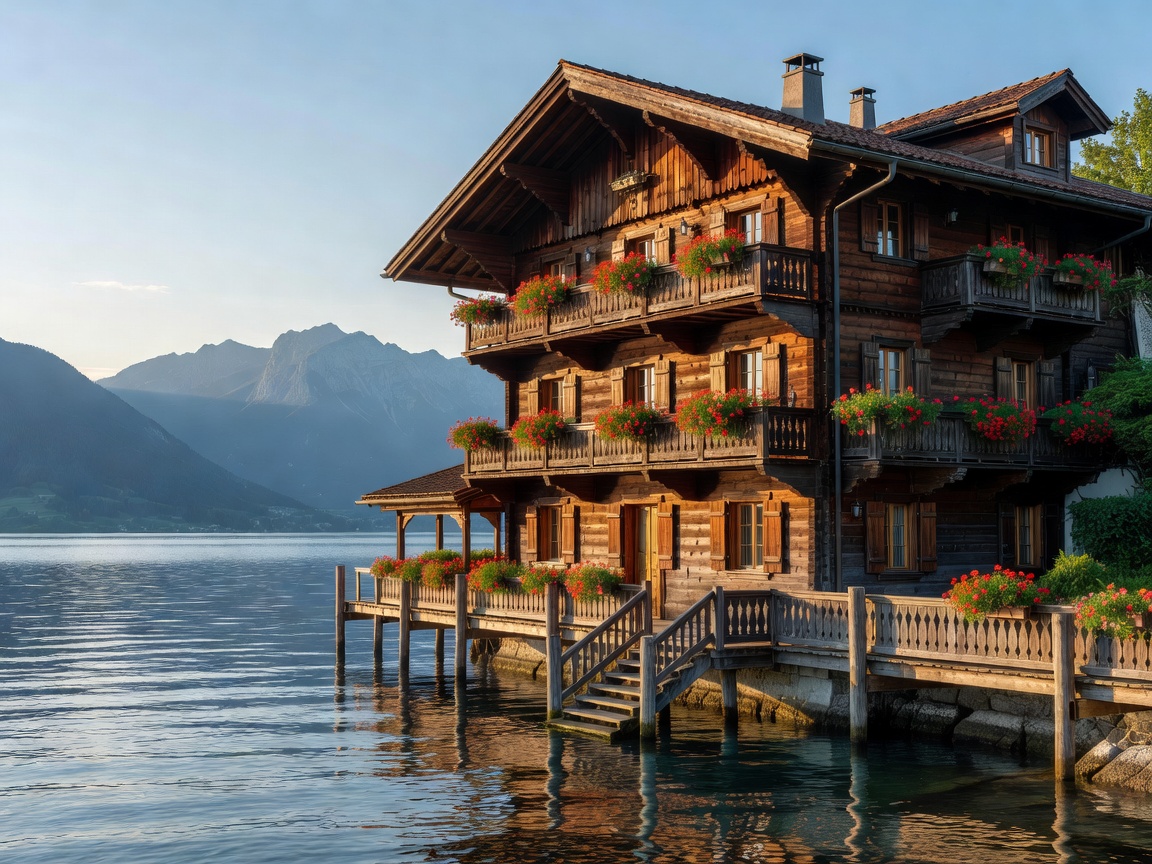
The town of St. Wolfgang im Salzkammergut commands the northern shore of Wolfgangsee, framed by the sheer limestone escarpments of the Schafberg. Accommodations here represent a centuries-old tradition of Austrian hospitality that evolved directly out of the 15th-century pilgrimage route to the pilgrimage church of St. Wolfgang. Unlike purely modern resort hubs, the core lodging architecture here is tightly integrated into the historic marketplace (Marktplatz), stepping down across multi-tiered lake terraces directly into the water.
The Heritage Typology: Historic Inns and Badestege
The most prominent architectural characteristic of St. Wolfgang's prime lodging is the Badesteg—a private timber sun-pier extending into the deep alpine water. Properties along the waterfront operate as self-contained sanctuaries where breakfast is taken beneath wisteria-clad pergolas, and swimmers transition directly from guest quarters to bathing platforms without crossing roadways.
Foremost among the historic inns is the renowned Romantik Hotel Im Weissen Rössl (The White Horse Inn). Known globally through Ralph Benatzky's 1930 operetta, the property itself consists of several interconnected centuries-old village houses. Its lakeside spa installation includes a heated lake pool integrated right into the open water of Lake Wolfgang, allowing year-round immersion surrounded by the reflected mountain peaks.
Categories of Accommodation in St. Wolfgang
When evaluating where to stay in and around the St. Wolfgang municipality, travellers encounter three distinct architectural and functional tiers:
1. First-Row Lakeside Heritage Hotels
Positioned directly on the waterfront between the marketplace and the eastern ferry dock. These hotels command direct water panoramas towards the village of Strobl and the Postalm plateau. Rooms facing the lake typically command substantial premiums, but offer uninhibited sunrise light and private bathing platforms.
- Strengths: Step-out access to lake swimming, proximity to ferry piers, historic dining rooms serving fresh Wolfgangsee trout.
- Considerations: Pedestrian-only access during daytime hours requires luggage logistics via designated hotel transfer carts from peripheral parking garages.
2. Uphill Traditional Chalets and Guesthouses
Situated along the ascending lanes of Ried and the base of the SchafbergBahn. These accommodations feature traditional Austrian pine furniture (Zirbenholz), wide carved wooden balconies draped in red geraniums, and elevated vantage points looking out over the town's copper church steeple.
- Strengths: Quiet night-time environment, direct proximity to mountain trailheads, and generally more spacious double rooms.
- Considerations: Requires a 5 to 10-minute downhill walk to reach public bathing facilities and village bakeries.
3. Wellness and Boutique Design Resorts
Located along the western perimeter towards Ried or east towards Schwarzenbach. These properties blend modern glass facades with reclaimed alpine spruce, expansive indoor-outdoor infinity saunas, and contemporary Austrian regional menus focused on organic Salzkammergut dairy and game.
Key Property Comparison Overview
| Accommodation Zone | Water Access | Architectural Character | Best Suited For |
|---|---|---|---|
| Historic Marketplace Waterfront | Direct private pier / lake pool | Heritage Renaissance & Baroque foundations | Culture lovers, romantic stays, fine dining |
| Ried Shoreline (Western Edge) | Direct private grass beaches | Boutique chalet & lake villas | Watersports, sailing, quiet relaxation |
| Schafberg Upper Slopes | No direct water (elevated views) | Traditional timber alpine guest farms | Hikers, budget-conscious travelers, families |
| Schwarzenbach / East Bank | Shared shore access nearby | Modern wellness retreats & country inns | Cyclists, multi-day retreat travellers |
Practical Seasonality & Booking Considerations
Because St. Wolfgang remains a small alpine enclave, room inventory during peak midsummer (July to August) and the famous Christmas Advent period (late November through December) fills many months ahead. During Advent, lantern-lit pontoons and a floating candle in the lake transform the village into a fairytale setting, with hotels offering specialty seasonal menus featuring roast chestnuts and Glühwein.
For travelers seeking relaxed conditions and warm lake swimming temperatures (averaging 20°C to 24°C in late July), early September provides an optimal balance: schools have resumed, mountain trail visibility remains pristine, and the morning mist clearing over the Schafberg offers unparalleled photographic moments.